- About
- Conditions
- Treatments
- Balloon Sinuplasty
- Resources
- Contact Us
- About
- Conditions
- Treatments
- Balloon Sinuplasty
- Resources
- Contact Us
Endoscopic Sinus Surgery in Glendale, CA
What is Endoscopic Sinus Surgery?
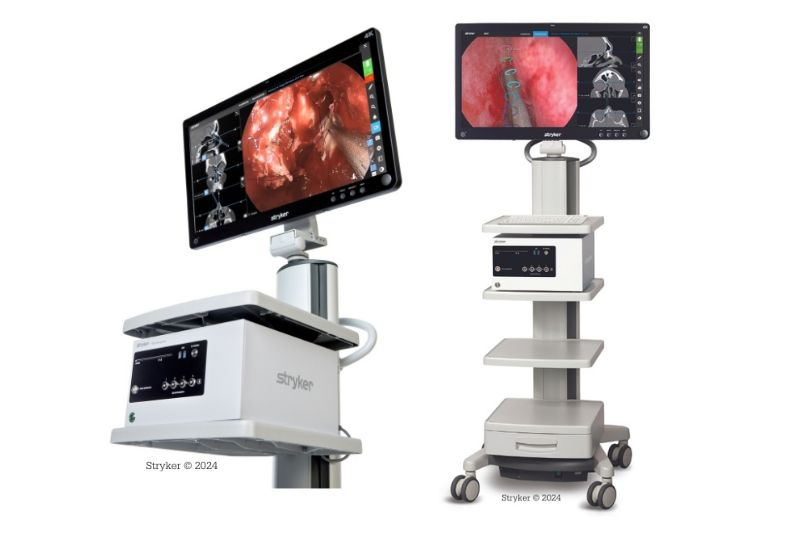
Functional endoscopic sinus surgery, or FESS, is a surgical procedure used to remove blockages in the sinuses. A thin camera with a light on the end called an Endoscope, will be used to magnify and see inside the sinuses. Specialized instruments will then be used to remove any sinus blockages such as nasal polyps or scar tissue. Straightening the septum and reducing the size of the turbinates may also be done, if needed. FESS is performed completely through the nostrils and does not involve cutting the skin. If Dr. Bublik, decides that you are a candidate for this procedure, he will discuss with you his recommendations, along with the associated risks.
Are There Other Options?
Additionally, there is a procedure that utilizes balloons to widen the sinus openings. This minimally invasive procedure, as with FESS, is done entirely through the nostrils, and in most cases can greatly shorten the recovery period.
Learn more about Balloon Sinuplasty.
Endoscopic Sinus Surgery FAQs
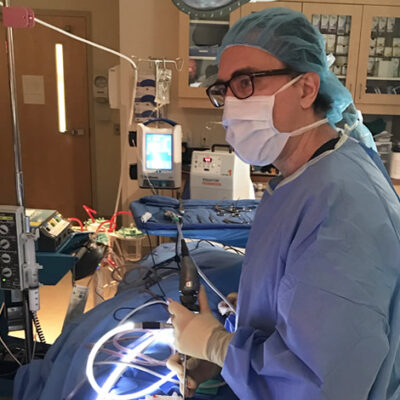
Endoscopic sinus surgery uses a thin camera (endoscope) inserted through the nostrils to view and access the sinus passages. The surgeon removes or reshapes tissue, polyps, or bone that block drainage—without any external incisions—allowing the sinuses to function properly.
Patients with chronic sinus infections, nasal polyps, persistent congestion, sinus headaches, or sinus blockages that do not improve with medications are typically good candidates.
Your doctor will review your medical history, perform a physical exam, and likely order imaging such as a CT scan to map your sinuses. You may need to temporarily stop certain medications and follow pre-operative instructions.
The surgeon inserts the endoscope through your nostrils and removes or reshapes blockages like polyps, scar tissue, or bone. Septum straightening or turbinate reduction may also be performed if needed.
The procedure usually lasts between 1–3 hours, depending on the extent of sinus disease and any additional procedures performed.
Endoscopic sinus surgery is minimally invasive, and general anesthesia ensures you feel no pain during the procedure. Mild discomfort or pressure may occur during recovery.
Most patients can return to normal activities within a few days, though full healing can take 1–2 weeks. Your doctor will provide instructions for post-operative care to ensure optimal healing.
Patients are advised to avoid strenuous exercise, heavy lifting, or forceful nose blowing for a few weeks to prevent complications and allow proper healing.
While generally safe, risks can include minor bleeding, infection, nasal dryness, or very rarely, injury to nearby structures such as the eyes or brain.
Some improvement may be noticed right away, but swelling and healing take time. Full symptom relief can take several weeks.
Yes, a sinus CT scan is typically required to guide the surgeon and ensure safe and precise removal of blockages.
Yes. If indicated, your surgeon may straighten a deviated septum or reduce the turbinates during the same procedure to improve airflow and overall results.
Yes, most endoscopic sinus surgeries are performed under general anesthesia to ensure comfort and safety throughout the procedure.
Yes. Follow-ups are important to monitor healing, remove crusts or packing if necessary, and ensure your sinuses remain clear and healthy.
Yes, options such as medications, nasal sprays, or balloon sinuplasty may be considered first. Surgery is recommended when these treatments do not provide lasting relief.
Schedule Your Consultation
If you suffer from sinus symptoms, such as congestion, pressure, headaches, or repeated infections, endoscopic sinus surgery may be the solution to restore lasting comfort and clear breathing.
Contact Southern California ENT & Allergy Associates in Glendale today to schedule your consultation and learn how this advanced technology can help you breathe and feel better.
GET IN TOUCH
Your Relief Starts Here
Get in touch today and take the first step toward breathing easier, sleeping better, and living healthier.