
- About
- Conditions
- Treatments
- Balloon Sinuplasty
- Resources
- Contact Us

- About
- Conditions
- Treatments
- Balloon Sinuplasty
- Resources
- Contact Us
Chronic Sinusitis Treatment in Glendale, CA
Last updated: September 17, 2026
What Is Chronic Sinusitis? Symptoms and When to Seek Care

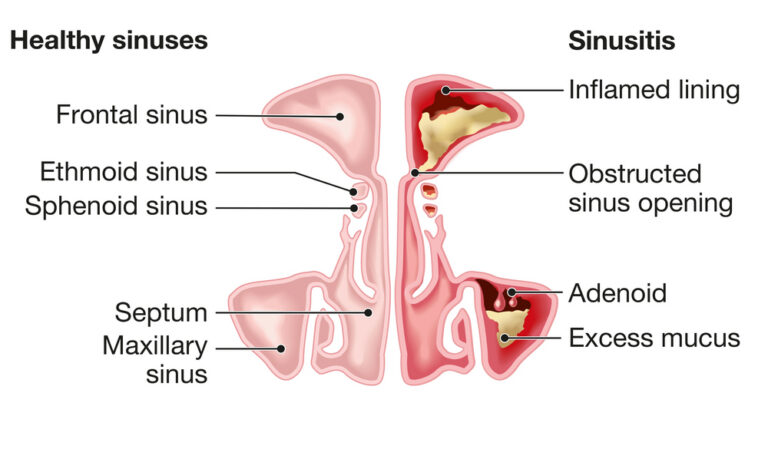
Chronic sinusitis, also called chronic rhinosinusitis, involves ongoing inflammation of the nose and sinuses that lasts 12 weeks or longer. Unlike a typical cold that improves within a relatively short period, chronic sinusitis causes persistent symptoms such as nasal congestion, drainage, facial pressure, or a reduced sense of smell.
Common Symptoms of Chronic Sinusitis
- Nasal congestion or blockage
- Thick nasal drainage or post-nasal drip
- Facial pressure or fullness
- Reduced or altered sense of smell
Some people also experience headaches, fatigue, cough, bad breath, or throat irritation related to ongoing drainage.
When Persistent Sinus Symptoms May Need a Closer Look
Symptoms lasting 12 weeks or longer deserve more attention, especially when congestion, nasal drainage, facial pressure, or changes in smell continue despite home care or medication. Repeated episodes that seem like “sinus infections” can also be a reason to look for an underlying inflammatory, allergic, or structural problem.
An ENT evaluation can help determine whether chronic sinusitis or another condition is contributing to your symptoms and what treatment may be appropriate based on the cause. Learn more about related symptoms on our sinus pressure and pain and sinus headache pages.
This self-check is educational and is not a diagnosis.
When to See an ENT vs. When to Treat at Home
Many short-lived sinus flare-ups improve with simple home care. The key is knowing when symptoms have moved beyond what home remedies can handle.
When Short-Term Sinus Symptoms May Improve With Home Care
Not every episode of congestion or sinus pressure is chronic sinusitis. Mild symptoms associated with a cold or short-term sinus irritation often improve with supportive care.
• Symptoms are mild and have lasted less than 10 days
• You mainly have congestion and light drainage without high fever
• Saline rinses, hydration, rest, or other supportive measures are helping
Supportive measures may include saline nasal irrigation, hydration, and use of a humidifier. Some patients also use over-the-counter medications for short-term symptom relief, but the appropriate option depends on the cause of the symptoms and other health considerations.
See an ENT When…
• Symptoms last 12 weeks or longer, or keep returning
• You have repeated sinus infections in a single year
• Facial pain, pressure, or headaches are affecting sleep or work
• You notice reduced smell or taste that does not recover
• Congestion does not respond to home care or short courses of medication
An ENT can evaluate the nasal passages, review the pattern and duration of your symptoms, and determine whether additional testing or imaging is needed to identify inflammatory, allergic, or structural factors contributing to the problem. To speak with our Glendale team, call (818) 649-1433 or visit our contact page.
What is Sinusitis? – Video
Chronic Sinusitis Treatment Options
Treatment depends on your symptoms, examination findings, the underlying cause, and how you have responded to previous care. For many patients, treatment begins with medical management before a procedure or surgery is considered.
Medication and Non-Surgical Care
First-line treatment often focuses on reducing inflammation and improving sinus function. Depending on your evaluation, treatment may include saline irrigation, intranasal corticosteroid sprays, management of contributing allergies, and other medications when clinically appropriate. Antibiotics may be used in selected cases when a bacterial infection is suspected or identified.
Balloon Sinuplasty
Balloon sinuplasty is a minimally invasive procedure used for appropriately selected patients with certain types of chronic or recurrent sinus disease. During the procedure, a small balloon is used to dilate targeted sinus openings and improve drainage without removing significant amounts of tissue. Some patients can have the procedure performed in the office and return to routine activities relatively quickly. Whether balloon sinuplasty is appropriate depends on your symptoms, sinus anatomy, examination findings, and response to previous treatment.
Endoscopic Sinus Surgery
Endoscopic sinus surgery may be considered when chronic sinusitis remains uncontrolled despite appropriate medical treatment or when findings such as nasal polyps or significant obstruction require a surgical approach. Using a thin camera and specialized instruments, the surgeon can open affected sinus pathways and address obstructing tissue when appropriate. For selected complex cases, image-guided sinus surgery may also be used. Dr. Bublik will review whether an in-office or operating-room approach fits your situation.
Recovery Expectations
Recovery varies depending on the procedure, the extent of treatment, and the individual patient.
After balloon sinuplasty, patients typically go home the same day, and many are able to resume routine activities relatively quickly. Temporary congestion, pressure, or drainage may occur during the early recovery period.
Recovery after endoscopic sinus surgery is generally more involved. Some patients return to routine activities within about a week, while healing inside the sinuses continues longer. Saline rinses, follow-up visits, activity restrictions, and other postoperative instructions may be part of the recovery plan.
For procedure-specific recovery details, see our in-office balloon sinuplasty and sinus surgery pages. Dr. Bublik will provide recovery guidance based on the procedure performed and your individual health needs.
Chronic Sinusitis Care in Glendale — Dr. Bublik’s Approach
Patients across Glendale, Burbank, and the greater Los Angeles area turn to Dr. Michael Bublik for sinus and nasal care. Dr. Bublik is triple board-certified by the American Board of Otolaryngology – Head and Neck Surgery, the American Board of Facial Plastic and Reconstructive Surgery, and the American Academy of Otolaryngic Allergy.
He earned his medical degree at the USC Keck School of Medicine, completed his residency and fellowship in Otolaryngology/Head and Neck Surgery at the University of Miami/Jackson Memorial Hospital, and serves as voluntary clinical faculty at USC Keck. His background in otolaryngology, sinus care, allergy, and facial plastic surgery allows him to evaluate several factors that may contribute to persistent nasal and sinus symptoms.
Dr. Bublik’s approach begins with identifying the factors contributing to your symptoms and considering appropriate nonsurgical options before recommending an in-office procedure or surgery when needed.
Visit us: 800 S Central Ave, Suite 101B, Glendale, CA 91204
Phone / Hours: (818) 649-1433 · Monday–Friday, 9:00 AM – 5:00 PM
CTA: Still dealing with persistent sinus symptoms? Schedule a sinus consultation by calling (818) 649-1433 or using our contact page.
Chronic Sinusitis FAQ
How long does chronic sinusitis last?
By definition, chronic sinusitis involves symptoms lasting 12 weeks or longer. Symptoms may persist or fluctuate over time, and treatment depends on the factors contributing to the inflammation.
Is chronic sinusitis contagious?
Chronic sinusitis itself is not contagious. Although viral respiratory infections can trigger or worsen sinus symptoms, chronic sinusitis involves persistent inflammation rather than an illness that spreads from person to person.
When should I see an ENT for sinus problems?
See an ENT if symptoms last 12 weeks or longer, sinus problems keep returning, or facial pressure, congestion, or reduced smell are not improving with home care and medication. An ENT can evaluate possible causes and recommend treatment based on the findings.
Is balloon sinuplasty painful?
Balloon sinuplasty may be performed in the office with local anesthesia for appropriately selected patients. Pressure or discomfort can occur during or after the procedure, and recovery experiences vary. Dr. Bublik can explain what to expect based on the planned procedure.
Will I need sinus surgery?
Not necessarily. Many patients begin with medical treatment, and some may be candidates for an in-office procedure such as balloon sinuplasty. Endoscopic sinus surgery may be considered when symptoms remain uncontrolled despite appropriate treatment or when the findings indicate that a surgical approach is appropriate. Dr. Bublik will discuss the options that fit your diagnosis and treatment history.
How do I make an appointment in Glendale?
Call (818) 649-1433 or reach out through our contact page, and our team will help you schedule a sinus consultation.
What is Balloon Sinuplasty? – Video
GET IN TOUCH

Your Relief Starts Here
Get in touch today and take the first step toward breathing easier, sleeping better, and living healthier.