
- About
- Conditions
- Treatments
- Balloon Sinuplasty
- Resources
- Contact Us

- About
- Conditions
- Treatments
- Balloon Sinuplasty
- Resources
- Contact Us
Sinus CT Scan in Glendale, CA
In-Office Sinus CT Scan

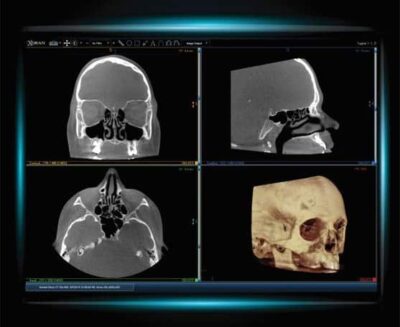
Computed Tomography CT of the Sinuses. Computed tomography of the sinuses uses x-ray equipment to evaluate the sinus cavities. CT scanning is painless, noninvasive and accurate.
Sinus-Optimzied CT
Scan times range from 10-30 seconds and include protocols for pediatric patients. A high resolution, digitally versatile CT image is then immediately available on the computer monitor.
The scanner creates CT slices as thin as 0.2 mm, with instant views of hundreds of image planes. This isotropic resolution and full range of data provides physicians the information they need to diagnose and treat patients
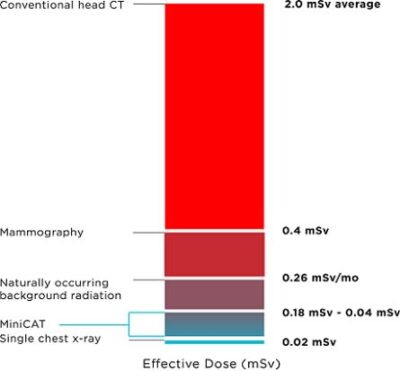
Lower Radiation is Better
While Computed Tomography (CT) scans are often necessary for diagnosis, all CT systems use X-rays, which expose patients to ionizing radiation. Xoran understands the importance of keeping radiation dose low. In designing its CT systems, Xoran follows the ALARA (As Low As Reasonably Achievable) principle, which means that Xoran minimizes radiation dose as much as possible without compromising image quality.
GET IN TOUCH

Your Relief Starts Here
Get in touch today and take the first step toward breathing easier, sleeping better, and living healthier.
FAQs
A sinus CT scan is an imaging test that uses X-rays to create detailed images of the sinus cavities to help diagnose sinus and nasal conditions.
It provides high-resolution images of the sinuses, allowing providers to see inflammation, blockages, polyps, infections, and structural issues.
Unlike standard X-rays, a CT scan produces detailed cross-sectional images, giving a much clearer and more accurate view of the sinuses.
The scan itself usually takes between 10 and 30 seconds, making it a quick and efficient procedure.
No, the scan is completely painless and noninvasive.
No special preparation is needed. You can eat, drink, and take medications as usual unless instructed otherwise.
Most sinus CT scans are done without contrast. Your provider will let you know if contrast is needed.
In-office sinus CT scanners are designed to use low-dose radiation while still providing high-quality images.
ALARA stands for “As Low As Reasonably Achievable” and refers to minimizing radiation exposure without sacrificing image quality.
Yes, pediatric-specific protocols are available to ensure safe and appropriate imaging for children.
Images are available immediately and can be reviewed by your provider during the same visit.
It may be ordered to evaluate chronic sinus infections, facial pain, nasal obstruction, or to plan sinus surgery.
Yes, it provides precise anatomical detail that helps providers plan safe and effective sinus procedures.
Many insurance plans cover sinus CT scans when medically necessary, but coverage varies by provider and plan.
In-office CT scans are faster, more convenient, and often use lower radiation doses while still delivering high-resolution images.